
Winter is where spring golf is made
Why the off-season is the time to care for and fine-tune your clubs, and to build the swing you want in April.
When the frost arrives, most golfers put the clubs away and wait for April. The ones who start the new season sharper tendto treat winter as the most useful part of the year.
Winter golf in Switzerland means short days, frozen fairways, temporary greens and, at many clubs, a few weeks with no golf at all. It is tempting to see it as dead time. In fact it is the only part of the year with no score to protect, no competition to prepare for and enough time to work on the things a busy season never allows. Two jobs are worth doing before spring, getting the equipment right and getting the swing right.
Why wait until spring?
Changing a swing takes longer than most golfers expect. A new movement feels awkward for weeks before it becomes automatic, and while it settles it usually gets worse before it gets better. Start that process in March and the dip lands on the first rounds of the season. Start it in November and the change has months to bed in before anything counts.
Winter also removes the scorecard. Without a handicap round at the weekend it is much easier to be patient, to hit fifty shots with one thought and to accept a few bad ones while learning. Tour players work the same way, building in the off-season and playing during the season.
The feedback is often better indoors too. On a launch monitor every shot comes with clubhead speed, ball speed, launch, spin and the direction of face and path. Instead of guessing from a ball flight in a cold wind, you can see what caused a miss and whether a change is actually working
Build in the off-season, play in the season.
Take care of your equipment
Clubs that spent the summer in a car boot and a damp bag deserve some attention before they rest for a few months. Well-kept equipment lasts longer and, more importantly, performs the same way in April as it did in September.
CLEAN Warm water, a little mild soap and a soft brush. Clear the grooves, since clean grooves are what give the ball spin, wipe the shafts and dry everything properly, including the hosel.
STORE Keep the bag somewhere dry and at room temperature, not in a cold garage or the car boot, where temperature swings and moisture work on grips, shafts and leather. Take wet headcovers off, let gloves dry flat and empty the pockets, old balls, broken tees and last summer’s snacks included.
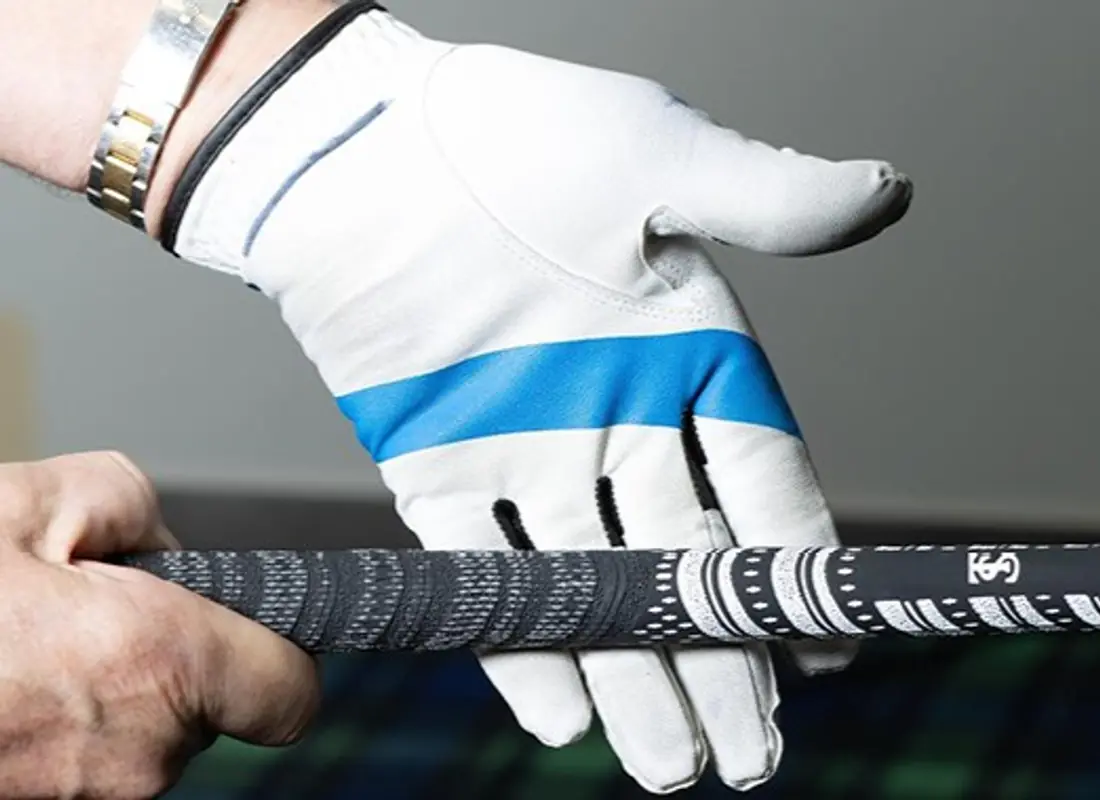
REFRESH Grips lose their tack long before they look worn, as sweat, sun and skin oils harden the rubber. A slippery grip makes you squeeze harder, which costs feel and speed, so grips are worth replacingabout once a year, or roughly every 40 rounds. Check shafts and ferrules for cracks, listen for rattles in thedriver head, and give shoes new spikes and waterproofing
Make the equipment fit you
Every golfer is built differently. Height, arm length, hand size, speed and tempo all vary, and each of them changes what the right club looks like. Equipment cannot create a swing, but clubs that are optimised for you make good shots easier to repeat and bad ones less costly. That is what a fitting does, it matches each part of the club to the way you actually swing.